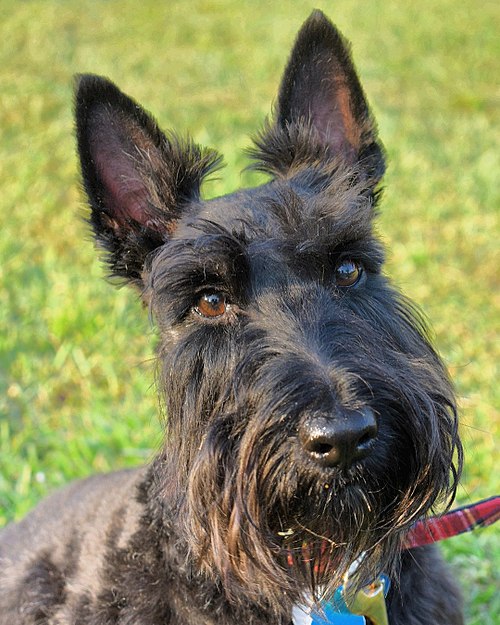
Scottish Terrier
Height25–28 cm (10–11 in)
Weight8–10 kg (18–22 lbs)
TypeTerrier
Life Expectancy12–15 yrs
OriginScotland
A dignified, independent terrier with a distinctive beard and eyebrows. Scotties are bold and spirited despite their small size, known for unwavering loyalty and a confident strut.
Breed Ratings
Personality
Intelligence
4/5
Trainability
2/5
Playfulness
3/5
Energy Level
3/5
Social
Good with Kids
3/5
Good with Dogs
2/5
Good with Strangers
2/5
Lifestyle
Apartment Friendly
4/5
Exercise Needs
3/5
Watchdog Ability
5/5
Barking Level
3/5
Care
Shedding
2/5
Grooming Needs
4/5
Health Robustness
3/5
Where Are Scottish Terriers From?
Scottish Terriers are one of the oldest Highland terrier breeds, developed in Aberdeen, Scotland, to hunt badgers, foxes, and rats in rocky, rough terrain. Their compact, low-slung build and wiry coat protected them underground, and their fierce independence let them work without direction from their handler. Scotties became icons of American culture when Franklin D. Roosevelt’s Scottish Terrier, Fala, became the most famous presidential pet in history. A statue of Fala sits alongside FDR at his memorial in Washington, D.C.
What Is It Like Living With a Scottish Terrier?
Scottish Terriers are dignified, independent, and have a dry sense of humor that terrier enthusiasts find irresistible. They don’t seek approval from strangers and won’t perform tricks to impress guests. A Scottie’s affection is given on their terms — they’ll sit beside you, lean against your leg, and follow you around the house, but they won’t beg for attention. They’re territorial, alert watchdogs who take home security seriously despite weighing only 18–22 pounds. Scottish Terriers can be aloof with other dogs and may be aggressive toward unfamiliar ones.
How Much Exercise Does a Scottish Terrier Need?
Scottish Terriers need 30–45 minutes of daily exercise. They enjoy walks, backyard exploration, and earthdog trials where their natural digging instincts are rewarded. Despite their small stature, they have genuine stamina and can hike moderate distances. Mental stimulation through puzzle toys and training keeps them engaged, though training a Scottie requires patience — they comply when convinced, not when commanded.
How Often Do You Need to Groom a Scottish Terrier?
The harsh, wiry outer coat and soft undercoat need professional grooming every six to eight weeks and regular brushing between appointments. Hand-stripping preserves the coat’s proper texture. Health concerns include Scottie cramp (a unique neurological condition causing leg spasms during excitement or exercise), bladder cancer (occurring at 18–20 times the rate of other breeds), von Willebrand’s disease, patellar luxation, and jaw abnormalities (craniomandibular osteopathy).
Are Scottish Terriers Healthy?
Scottish Terriers suit owners who appreciate independent-minded dogs, apartment dwellers who want a compact watchdog, and people who enjoy the grooming process. They’re not ideal for families with very young children (Scotties don’t tolerate rough handling), multi-dog households, or owners who expect eager compliance. The surprising fact: the Scottie piece in Monopoly is consistently the most popular game token worldwide. The breed’s iconic silhouette has made it one of the most recognizable dogs in commercial design, appearing on everything from scotch bottles to Christmas ornaments.
Our Honest Take on the Scottish Terrier
The Scottie is independent, dignified, and deeply opinionated — this is not a dog that wants to please you, and treating it like a Golden in a black coat creates resentful, snappy adults. Cancer rates are the breed's biggest unspoken problem.
Common Mistakes New Owners Make
- 1Treating training like a Lab would expect. Scotties are sensitive to harsh tones but contemptuous of repetitive drilling — short, varied sessions with high-value treats work; nothing else does.
- 2Ignoring cancer statistics. Scotties have one of the highest bladder cancer rates of any breed (18–20x the average); avoiding lawn herbicides reduces risk significantly.
- 3Skipping CMO (craniomandibular osteopathy) awareness. Puppies 4–8 months old can develop painful jaw bone overgrowth; familiar vets catch it early, oblivious ones miss it.
- 4Letting the harsh coat be clipped. Clipping (vs. hand-stripping) softens the coat permanently, increases shedding, and changes the iconic silhouette within a year.
Who Should Think Twice
Skip the Scottish Terrier if you have small pets (the prey drive is serious), want a dog that adores strangers, or expect easy housebreaking — Scotties are stubborn about it. Also avoid if you can't find a hand-stripper in your area or aren't willing to learn it yourself. Households with rough toddlers should pass; Scotties have low tolerance for handling and will warn, then bite.
Real Costs in 2026
Scottish Terrier puppies from reputable breeders cost $1,500–$2,800 in 2026. Annual costs are around $2,200–$3,000, including hand-stripping or grooming ($400–$700/year). Pet insurance ($45–$65/month) is strongly recommended given the bladder cancer rate alone — treatment runs $5,000–$10,000. Avoid lawn chemicals over the dog's lifetime; the published research is clear and damning.
Great For
- Apartment living
- Allergy-conscious homes
- Home security
Think Twice If
- You want low grooming effort
- You're a first-time owner
- You have frequent guests
Are Scottish Terriers Prone to Health Issues?
Scottish Terriers are predisposed to: scottie cramp, von Willebrand's disease, bladder cancer, craniomandibular osteopathy. Regular vet visits and a healthy diet help prevent common issues.
Health Robustness
3/5
How Much Does a Scottish Terrier Cost?
Purchase Price
$1,000–$2,500
Monthly Food
$35
Annual Vet
$500
Annual Grooming
$300
Est. First Year
~$2,970
Est. Annual
~$1,220
Recommended Gear
Affiliate disclosure: The links below are affiliate links. As an Amazon Associate, we earn a commission from qualifying purchases at no extra cost to you. This never influences which products we recommend.
Best For
Looking for Scottish Terrier name ideas?
Browse 100+ names by gender and category.
Compare Scottish Terrier
Related Breeds
Other Terrier breeds you might like


Frequently Asked Questions
How much does a Scottish Terrier cost?
A Scottish Terrier puppy typically costs $1,000–$2,500. The estimated first-year cost including food, vet visits, and grooming is around $2,970, with ongoing annual costs of approximately $1,220.
How long do Scottish Terriers live?
Scottish Terriers have an average lifespan of 12 to 15 years. Common health concerns include scottie cramp, von Willebrand's disease, bladder cancer, craniomandibular osteopathy.
Are Scottish Terriers good with kids?
Scottish Terriers score 3/5 for being good with children. They can do well with children when properly socialized, though supervision is recommended.
Do Scottish Terriers shed a lot?
Scottish Terriers have a shedding level of 2/5. They are relatively low shedders but still need occasional grooming.
Are Scottish Terriers good for apartments?
Scottish Terriers score 4/5 for apartment friendliness. They adapt very well to apartment living and don't require a large yard.