Lhasa Apso
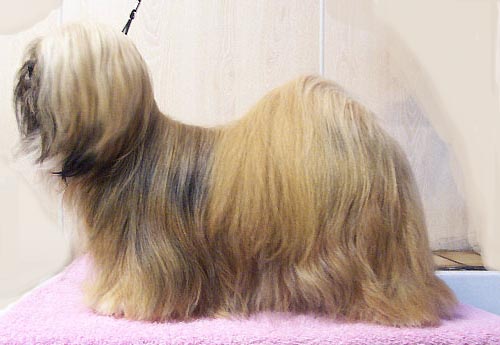
Height25–28 cm (10–11 in)
Weight5–8 kg (11–18 lbs)
TypeNon-Sporting
Life Expectancy12–15 yrs
OriginChina
An ancient sentinel breed from Tibetan monasteries, known for its floor-length coat and keen hearing. Lhasa Apsos are hardy little watchdogs with a regal, independent personality.
Breed Ratings
Personality
Intelligence
4/5
Trainability
2/5
Playfulness
3/5
Energy Level
3/5
Social
Good with Kids
3/5
Good with Dogs
3/5
Good with Strangers
2/5
Lifestyle
Apartment Friendly
5/5
Exercise Needs
2/5
Watchdog Ability
5/5
Barking Level
4/5
Care
Shedding
2/5
Grooming Needs
5/5
Health Robustness
4/5
Where Are Lhasa Apsos From?
Lhasa Apsos served as sentinel dogs inside Tibetan monasteries and palaces for over a thousand years, where monks believed they carried the souls of reincarnated lamas. The breed’s name comes from Lhasa, Tibet’s sacred capital city. Dalai Lamas gifted Lhasa Apsos to visiting dignitaries as a sign of great honor — they were never sold, only given. The breed didn’t reach the West until the 1930s, when the 13th Dalai Lama presented a pair to a visiting American naturalist.
What Is It Like Living With a Lhasa Apso?
Don’t let the small size fool you. A Lhasa Apso has the temperament of a much larger dog: confident, assertive, and suspicious of strangers until properly introduced. They’re independent thinkers who bond deeply with their family but won’t grovel for affection. Training a Lhasa Apso requires patience and a sense of humor — they’re smart enough to learn anything but will decide on their own timeline whether to comply. Their watchdog instinct is exceptional; they hear everything and will alert you to every delivery driver, squirrel, and suspicious leaf.
How Much Exercise Does a Lhasa Apso Need?
Exercise needs are modest — 30 to 40 minutes of walking and play daily keeps a Lhasa Apso content. They’re not high-energy dogs, but they do enjoy short bursts of spirited play and appreciate a good sniff-walk. Where a Lhasa Apso demands serious commitment is grooming. That floor-length coat mats rapidly if not brushed every single day. Many owners opt for a practical puppy cut, which reduces grooming to a few sessions per week and professional trims every six to eight weeks.
How Often Do You Need to Groom a Lhasa Apso?
Health-wise, Lhasa Apsos are surprisingly hardy for a small breed, often living 14–18 years. Watch for patellar luxation, progressive retinal atrophy, dry eye (keratoconjunctivitis sicca), and renal dysplasia — a hereditary kidney condition that reputable breeders screen for. Their eyes are vulnerable due to the heavy facial hair; keeping the coat trimmed around the eyes or using a topknot helps prevent irritation.
Are Lhasa Apsos Healthy?
Lhasa Apsos suit apartment dwellers, seniors, and anyone who appreciates a dog with genuine personality and ancient dignity. They’re not the right pick for families with very young children who want a cuddly, easygoing lapdog — a Lhasa is more regal than that. The surprising fact: Lhasa Apsos have one of the longest lifespans of any breed, with some individuals reaching 20 years or more. One verified Lhasa lived to 29.
Our Honest Take on the Lhasa Apso
The Lhasa Apso is not a fluffy lapdog — it's a 1,000-year-old Tibetan watchdog in a small body, with all the suspicion and independence that implies. Owners expecting a Maltese in disguise are constantly surprised.
Common Mistakes New Owners Make
- 1Treating them like a typical small breed. Lhasas are aloof, dignified, and will absolutely tell you 'no' — harsh corrections create a dog that bites; positive reinforcement works.
- 2Letting the floor-length show coat go without daily brushing. Mats form in 48–72 hours and require painful dematting or a full shave-down ($80–$100 at a groomer).
- 3Skipping eye checks. Lhasas are prone to dry eye (KCS), progressive retinal atrophy, and cherry eye — annual ophthalmology checks are a smart investment.
- 4Underestimating the watchdog instinct. Without training, they bark at every sound — and Tibetan monks bred them to do exactly that for 2,000 years. You can manage it, not eliminate it.
Who Should Think Twice
Avoid Lhasas if you want a friendly-with-everyone dog, have toddlers (Lhasas don't tolerate rough handling and will defend themselves), or can't commit to either daily brushing or paying for a puppy-cut every 6–8 weeks. Also skip if you live somewhere with thin walls and intolerant neighbors, or if you want a dog that obeys commands instantly — Lhasas consider every request a negotiation.
Real Costs in 2026
Lhasa Apso puppies from reputable breeders cost $1,200–$2,500 in 2026. Annual costs are modest at $1,600–$2,400, with grooming being the biggest line item ($60–$90 every 6–8 weeks if you keep them in a puppy cut). Pet insurance ($30–$45/month) is reasonable given their generally robust health and 12–15 year lifespan, though kidney issues and renal dysplasia in some lines warrant coverage.
Great For
- Apartment living
- Allergy-conscious homes
- Home security
Think Twice If
- You want low grooming effort
- You need a quiet dog
- You're a first-time owner
- You have frequent guests
Are Lhasa Apsos Prone to Health Issues?
Lhasa Apsos are predisposed to: patellar luxation, progressive retinal atrophy, dry eye, renal dysplasia. Overall, this is a relatively healthy breed with fewer concerns than average.
Health Robustness
4/5
How Much Does a Lhasa Apso Cost?
Purchase Price
$800–$2,000
Monthly Food
$30
Annual Vet
$500
Annual Grooming
$300
Est. First Year
~$2,560
Est. Annual
~$1,160
Recommended Gear
Affiliate disclosure: The links below are affiliate links. As an Amazon Associate, we earn a commission from qualifying purchases at no extra cost to you. This never influences which products we recommend.
Best For
Looking for Lhasa Apso name ideas?
Browse 100+ names by gender and category.
Compare Lhasa Apso
Related Breeds
Other Non-Sporting breeds you might like


Frequently Asked Questions
How much does a Lhasa Apso cost?
A Lhasa Apso puppy typically costs $800–$2,000. The estimated first-year cost including food, vet visits, and grooming is around $2,560, with ongoing annual costs of approximately $1,160.
How long do Lhasa Apsos live?
Lhasa Apsos have an average lifespan of 12 to 15 years. Common health concerns include patellar luxation, progressive retinal atrophy, dry eye, renal dysplasia.
Are Lhasa Apsos good with kids?
Lhasa Apsos score 3/5 for being good with children. They can do well with children when properly socialized, though supervision is recommended.
Do Lhasa Apsos shed a lot?
Lhasa Apsos have a shedding level of 2/5. They are relatively low shedders but still need occasional grooming.
Are Lhasa Apsos good for apartments?
Lhasa Apsos score 5/5 for apartment friendliness. They adapt very well to apartment living and don't require a large yard.